
How Much Does It Really Cost to Own a Car in Canada? (2025)
How much does it really cost to own a car in Canada in 2025? The answer depends on where you live, what you drive, and how often you drive it—but on average, Canadian drivers can expect to spend between $8,000 to $12,000 per year to own and operate a vehicle. In this guide, we’ll break down the real costs—financing, insurance, gas, maintenance, depreciation, and more—so you can budget with confidence.

Average Annual Car Ownership Cost in Canada (2025)
According to data from CAA and various provincial insurance boards, here’s a rough breakdown of yearly ownership costs for a compact sedan in Canada:
| Cost Category | Estimated Yearly Cost (CAD) |
|---|---|
| Financing or Lease Payments | $4,800 – $6,000 |
| Insurance | $1,500 – $2,800 |
| Fuel | $1,500 – $2,200 |
| Maintenance & Repairs | $800 – $1,500 |
| Registration & Licensing | $100 – $250 |
| Depreciation | $2,000 – $3,500 |
Total Estimated Cost (Per Year): $8,700 – $12,000+
1. Financing or Lease Payments
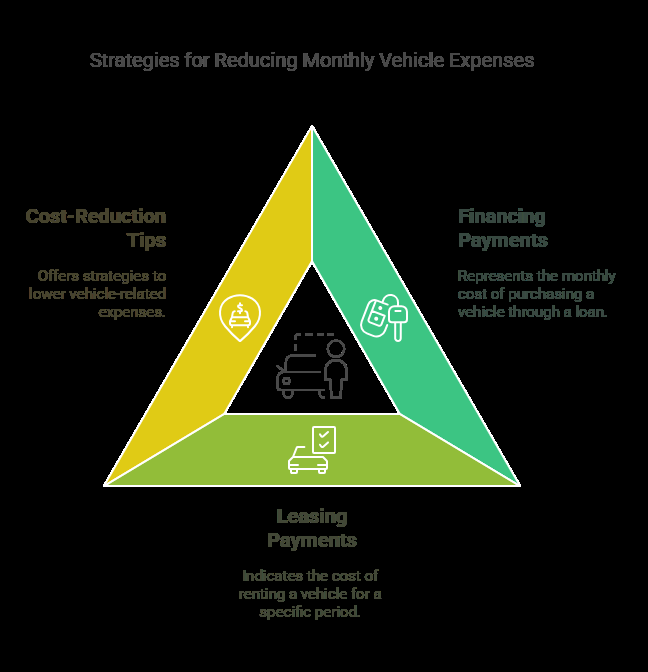
This is the largest fixed cost for most drivers. A modest compact car like a Toyota Corolla or Hyundai Elantra in 2025 typically comes with:
- Financing: $450–$550/month over 5–7 years
- Leasing: $350–$450/month for 36–48 months
Tip: Buy used (2–3 years old) or choose a lower-trim model to reduce monthly payments significantly.
2. Auto Insurance in Canada (2025)
Insurance costs vary widely depending on your province, age, driving history, and the type of car you drive. Here’s a general estimate of average yearly premiums:
- Ontario: $1,800 – $2,500
- Quebec: $800 – $1,200
- Alberta: $1,400 – $2,000
- British Columbia: $1,600 – $2,300 (ICBC)
Ways to Save:
- Bundle home and auto insurance
- Use a usage-based insurance program
- Increase your deductible for lower monthly premiums
3. Fuel Costs in 2025
Fuel prices fluctuate, but in 2025, the average gas price in Canada hovers around $1.60 – $1.85/L. A vehicle that consumes 8 L/100km and drives 20,000 km/year would cost around:
Fuel cost = 1,600 L x $1.70 = $2,720/year
For EV drivers, charging at home is significantly cheaper, averaging $500–$700/year in electricity.
4. Maintenance and Repairs
Even if your car is new and under warranty, you’ll still face routine maintenance like oil changes, brake pads, tire rotation, and battery checks.
Annual Maintenance Budget: $800 – $1,500
- Oil Change: $80 – $120 (3–4 times/year)
- Winter Tires (buy & install): $800 (every 4–5 years)
- Brake Service: $400 – $800 (every 2–3 years)
5. Licensing, Registration & Permits
Each province charges different rates for registration:
- Ontario: ~$120/year
- Quebec: ~$275/year (includes insurance portion)
- BC: ~$200/year
Don’t forget parking permits, toll roads, and emission testing fees (if applicable).
6. Depreciation: The Hidden Cost
Depreciation is often overlooked, but it’s the second-largest cost after financing. On average, a new vehicle loses 15–20% of its value in the first year and up to 50% by year five.
Example: A $35,000 vehicle may lose ~$3,000–$5,000 in value per year over the first 3 years.
Tip: Buying a slightly used car (2–3 years old) can help you avoid the steepest drop in value.
Additional Costs to Consider
- Car washes & detailing: $200–$300/year
- Winter accessories: Floor mats, block heaters, snow brushes
- Parking fees (urban areas): $100–$200/month
How to Lower Your Car Ownership Costs
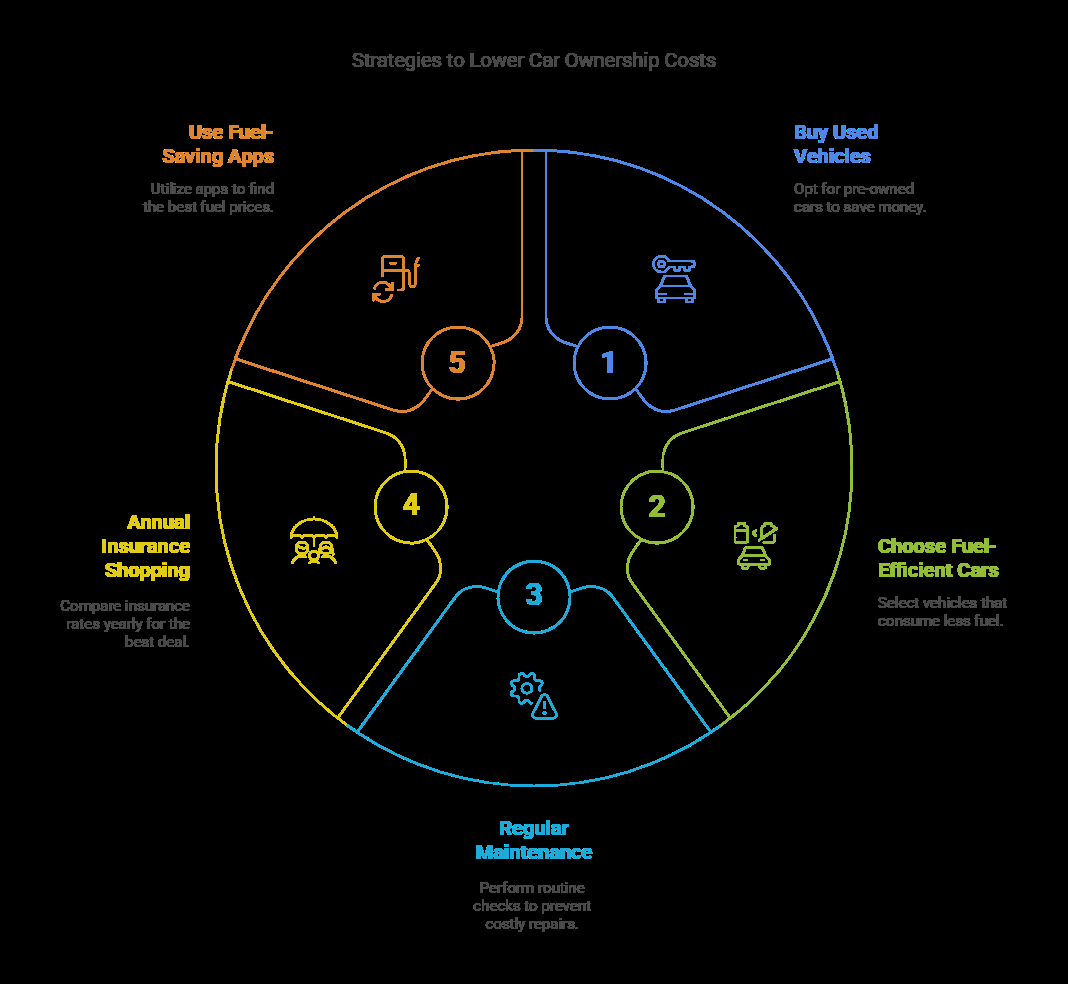
- Buy used instead of new
- Choose fuel-efficient or electric vehicles
- Maintain your car regularly to avoid major repairs
- Shop around for insurance annually
- Use apps like GasBuddy to save on fuel

How to Lower Your Car Ownership Costs
FAQs About Car Ownership Costs in Canada
Q1: What is the cheapest province for car ownership?
A: Quebec generally has the lowest insurance and registration fees, making it one of the most affordable provinces overall.
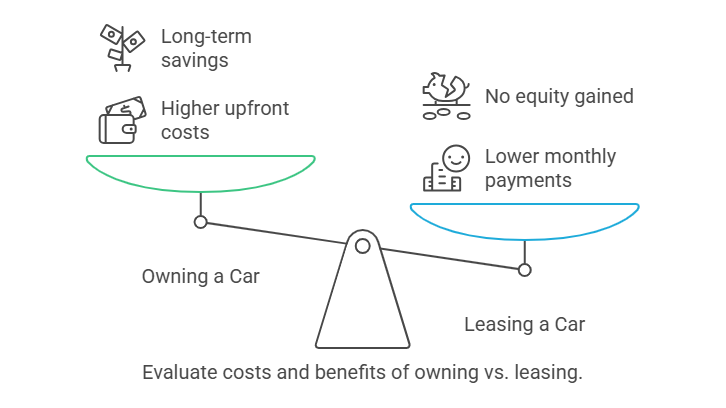
Q2: Is owning a car more expensive than leasing?
A: Owning may cost more upfront but becomes cheaper over time, especially if you keep the car 5+ years. Leasing has lower monthly payments but no equity.
Q3: How much does it cost to own an EV in Canada?
A: EV ownership costs around $6,000–$8,000/year, primarily due to lower fuel and maintenance costs. Initial purchase price may be higher.
Q4: Can I deduct any car expenses on taxes?
A: Yes, if the car is used for business, you may be able to deduct a portion of insurance, fuel, lease, and maintenance expenses under CRA rules.
Q5: Is it worth owning a car in cities like Toronto or Vancouver?
A: It depends. With good transit, many city residents use car-sharing or rentals. However, families or commuters may still find ownership more practical long-term.
Helpful Resources
- CAA Car Cost Calculator (Canada)
- Canada Revenue Agency – Car Expenses & Tax Deductions
- GasBuddy – Find Cheap Fuel in Your Area
- AutoTrader Canada – Buy & Compare Vehicles
Want to explore affordable vehicle options for your budget? Check out our full Budget Cars in Canada category for updated lists and ownership guides.
Complete Car Loan Guide for Canada & USA
Looking for the best auto loan rates? This guide covers car financing options in both Canada and the USA. Learn how to get low interest car loans, compare lenders, and apply online with ease.
Country-Specific Car Loan Guides
- Car Loan Guide – Canada (covers bank car loan offers and credit union car loans)
- Car Loan Guide – USA (includes auto loan refinancing and pre-approved auto loan tips)
Why Trust This Car Loan Guide?
We reference trusted resources like Ratehub’s Canadian car loan rankings and NerdWallet’s U.S. auto loan analysis. These comparisons provide real-time information on compare car loan rates and vehicle financing for bad credit.
How to Use This Guide
Step 1: Choose Your Country
Select Canada or USA for tailored details on online car loan application steps.
Step 2: Learn Eligibility
Check credit score requirements, down payment expectations, and loan terms for low interest car loans.
Step 3: Compare & Apply
Review lender offers, auto loan refinancing options, and repayment periods before applying.
Pro Tips for Smart Car Financing
- Check your credit score—higher scores unlock low interest car loans.
- Get a pre-approved auto loan—gives you more bargaining power.
- Compare car loan rates—across banks, credit unions, and online lenders.
- Watch out for markups—dealer financing may cost more than bank car loan offers.
Disclaimer: Loan terms and rates vary by lender, credit score, and location. Always confirm details directly with the financial institution before applying.



1 thought on “Cost to Own a Car in Canada”