The Truth About Extended Car Warranties in Canada: Are They Worth It?
Wondering if extended car warranties in Canada are worth the investment? In 2025, more Canadians are holding onto vehicles longer, leading to higher repair bills once factory coverage ends. While extended warranties offer peace of mind, they don’t always deliver value. This guide breaks down how they work, what they cover, and when buying one actually makes sense.
What Is an Extended Car Warranty?
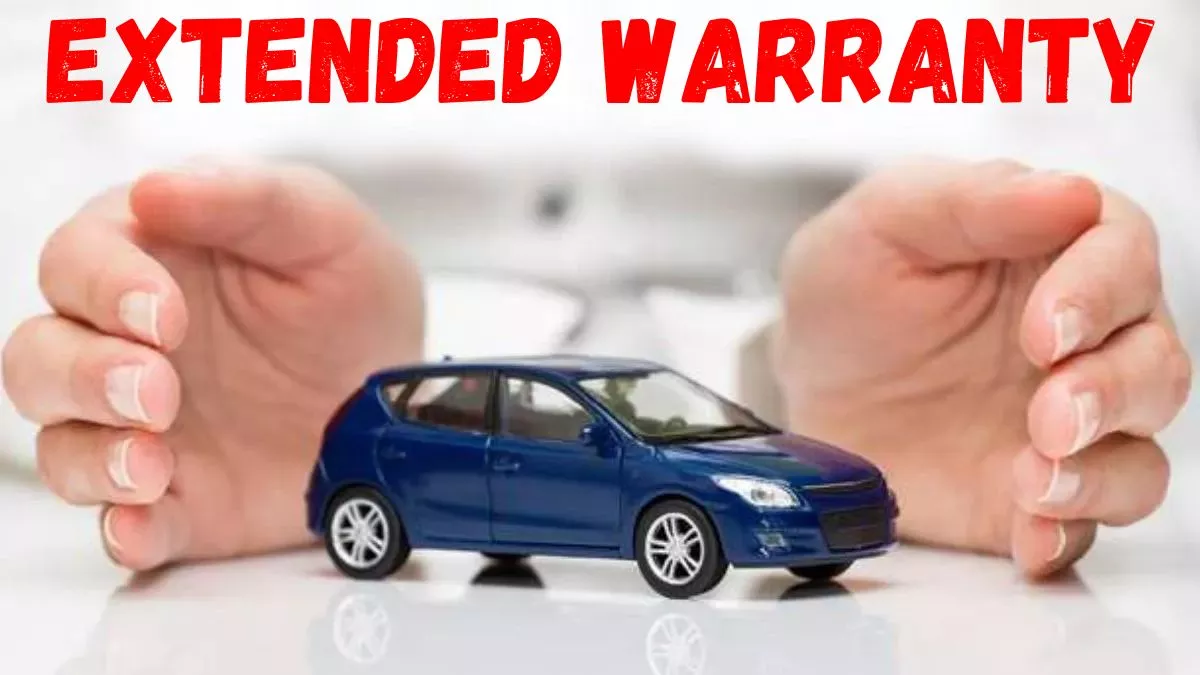
An extended warranty, also known as a vehicle service contract, is a protection plan that kicks in after your factory warranty expires. It’s designed to cover repair costs for mechanical or electrical failures not caused by accidents or wear-and-tear.
Two Main Types in Canada:
- Manufacturer Extended Warranty: Offered by the carmaker and typically honored at authorized dealerships.
- Third-Party Warranty: Provided by private companies—accepted at select repair shops, but may have more restrictions.
What Do Extended Warranties Typically Cover?
Coverage depends on the plan, but most extended warranties offer protection for:
- Engine and transmission repairs
- Suspension and drivetrain issues
- Electrical systems (navigation, power windows, etc.)
- Air conditioning/heating systems
What’s not covered: Regular maintenance (oil changes, brakes), cosmetic damage, and anything caused by neglect or accidents.
How Much Do Extended Warranties Cost in Canada?
The price of an extended warranty depends on the:
- Make/model/year of your vehicle
- Length of coverage (3–8 years is common)
- Mileage cap (e.g., 100,000 km vs. 160,000 km)
- Provider (manufacturer vs third-party)
Average cost in 2025: $1,200 – $2,800 CAD
Some dealers roll it into your financing plan, which increases the total interest you pay over time.
Pros of Getting an Extended Car Warranty
- Peace of mind: You’re protected from unexpected repair costs.
- Good for high-mileage drivers: Warranties that go beyond 100,000 km can save money in later years.
- Transferable: Some warranties can increase resale value if you sell the vehicle.
- Flexible payment options: Some allow monthly payments or bundling with financing.
Cons of Extended Warranties
- Upfront cost: Adds thousands to your total car bill
- Not always used: Many drivers never file a claim
- Limited coverage: Not all repairs are included; “exclusion-based” policies can be tricky
- Service restrictions: Some require you to use specific shops or get prior approval
When Is an Extended Warranty Worth It?
✔ You plan to keep the car beyond 5 years
Repairs often begin after 100,000 km—when factory coverage is gone.
✔ Your vehicle is known for costly repairs
Some brands have a higher rate of out-of-warranty failures (e.g., European luxury cars).
✔ You don’t have an emergency fund
If a $3,000 transmission repair would cripple your budget, a warranty may be worth it.
✔ You drive a lot
If you’re putting 25,000+ km per year on your vehicle, an extended warranty may save you in the long run.
When You Can Probably Skip It
- You lease or plan to sell before the warranty expires
- You’re buying a Toyota, Honda, or Mazda (known for reliability)
- You’re buying certified pre-owned (CPO) with extended factory coverage
- You’re financially able to cover repairs as they come
Manufacturer vs. Third-Party: Which Is Better?
Manufacturer warranties (like Honda Plus or Toyota Extra Care) are more reliable and are serviced at dealerships. They typically have fewer exclusions and better customer support.
Third-party warranties may offer more coverage options or cheaper pricing—but beware of:
- Fine print exclusions
- Slow claims processing
- Limited approved repair shops
Tips Before You Buy an Extended Warranty
- Always ask for a brochure or full policy wording
- Check the cancellation policy (some allow full refunds within 30 days)
- Don’t feel pressured—many warranties can be added later
- Compare with the manufacturer’s coverage—sometimes overlap exists
FAQs About Extended Car Warranties in Canada
Q1: Are extended warranties negotiable?
A: Yes! At dealerships, the price is often marked up. Always try negotiating the cost or getting added perks like free maintenance.
Q2: Can I buy an extended warranty after purchasing the vehicle?
A: Yes, most plans can be purchased within the first 30–90 days—or even after factory coverage ends (though at a higher cost).
Q3: Do warranties cover used cars?
A: Yes, but the options vary. Certified Pre-Owned (CPO) cars often include extended warranties already.
Q4: Can I cancel my extended warranty?
A: Usually, yes. Most providers offer a pro-rated refund if you cancel early—especially if no claims were made.
Q5: Will a warranty cover everything if my engine fails?
A: Only if the failure is due to covered components and proper maintenance. Always read the exclusions section of the contract.
Helpful Resources
- Consumer Reports – Car Warranty Guide
- CAA – Extended Warranties Explained
- Government of Canada – Car Warranty Basics
Still unsure? Explore our full Warranty & Protection Plans section for side-by-side comparisons and honest reviews.
Complete Car Loan Guide for Canada & USA
Looking for the best auto loan rates? This guide covers car financing options in both Canada and the USA. Learn how to get low interest car loans, compare lenders, and apply online with ease.
Country-Specific Car Loan Guides
- Car Loan Guide – Canada (covers bank car loan offers and credit union car loans)
- Car Loan Guide – USA (includes auto loan refinancing and pre-approved auto loan tips)
Why Trust This Car Loan Guide?
We reference trusted resources like Ratehub’s Canadian car loan rankings and NerdWallet’s U.S. auto loan analysis. These comparisons provide real-time information on compare car loan rates and vehicle financing for bad credit.
How to Use This Guide
Step 1: Choose Your Country
Select Canada or USA for tailored details on online car loan application steps.
Step 2: Learn Eligibility
Check credit score requirements, down payment expectations, and loan terms for low interest car loans.
Step 3: Compare & Apply
Review lender offers, auto loan refinancing options, and repayment periods before applying.
Pro Tips for Smart Car Financing
- Check your credit score—higher scores unlock low interest car loans.
- Get a pre-approved auto loan—gives you more bargaining power.
- Compare car loan rates—across banks, credit unions, and online lenders.
- Watch out for markups—dealer financing may cost more than bank car loan offers.
Disclaimer: Loan terms and rates vary by lender, credit score, and location. Always confirm details directly with the financial institution before applying.