
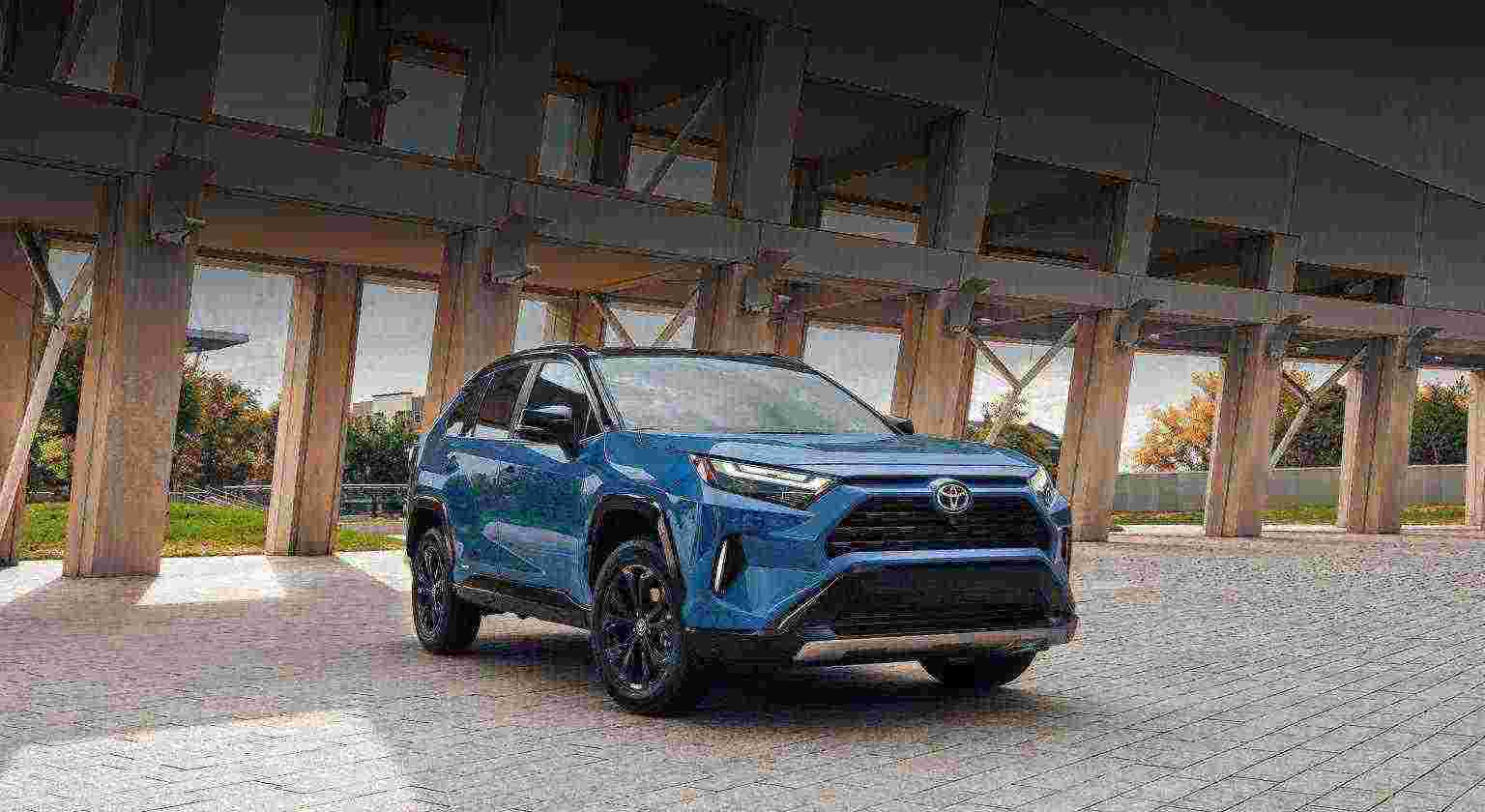
Best Hybrid Cars in Canada for 2025: Top Picks for Fuel Savings
Looking to save money at the pump without going fully electric? The best hybrid cars in Canada for 2025 offer an ideal mix of fuel efficiency, affordability, and practicality. From compact commuters to family-ready SUVs, hybrid technology is now more accessible and powerful than ever. Here are the top hybrid picks for Canadians this year—ranked by real-world performance, fuel economy, and value.
Why Choose a Hybrid in Canada?
Hybrid vehicles are perfect for Canadian drivers who want to cut fuel costs without worrying about EV charging stations or range anxiety. Hybrids combine a gas engine with an electric motor, seamlessly switching between the two to optimize fuel use.
Key Advantages:
- Lower fuel consumption (often 4.5–6.0 L/100km)
- Eligible for some federal or provincial rebates
- Better performance in city stop-and-go traffic
- No need to plug in (unlike plug-in hybrids or EVs)
Now, let’s dive into the best hybrids Canadians should consider for 2025.
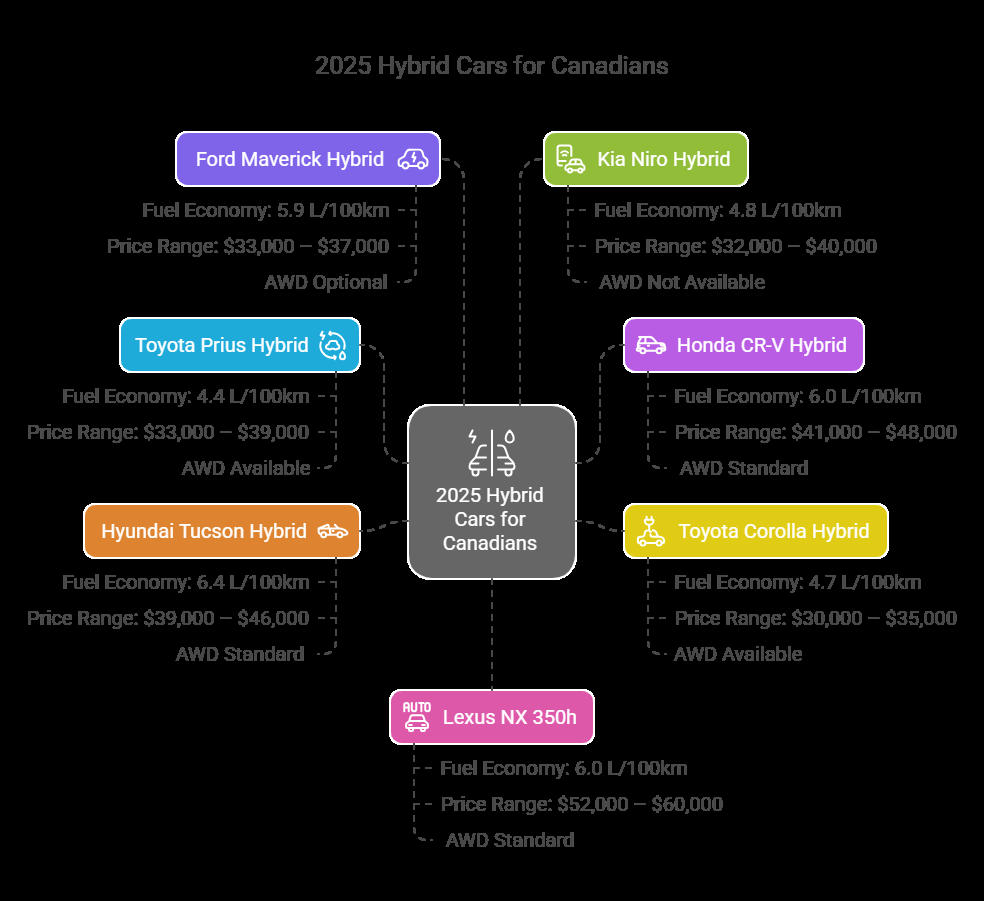
1. Toyota Prius Hybrid (2025)
- Fuel Economy: 4.4 L/100km combined
- Price Range: $33,000 – $39,000
- AWD Available: Yes
The legendary Prius is back and better than ever in 2025. With sleek styling, updated tech, and a smooth hybrid system, it’s a perfect fit for eco-conscious commuters. The AWD version is particularly valuable in snowbelt provinces.
2. Honda CR-V Hybrid (2025)
- Fuel Economy: 6.0 L/100km combined
- Price Range: $41,000 – $48,000
- AWD: Standard
For families needing space, safety, and fuel savings, the CR-V Hybrid delivers. It comes standard with AWD—perfect for Canadian winters—and features Honda’s newest infotainment and safety tech.
3. Toyota Corolla Hybrid (2025)
- Fuel Economy: 4.7 L/100km combined
- Price Range: $30,000 – $35,000
- AWD Available: Yes
The Corolla Hybrid is affordable, reliable, and surprisingly fun to drive. It’s one of the best value-for-money hybrids on the Canadian market, especially for students and city dwellers.
4. Hyundai Tucson Hybrid (2025)
- Fuel Economy: 6.4 L/100km combined
- Price Range: $39,000 – $46,000
- AWD: Standard
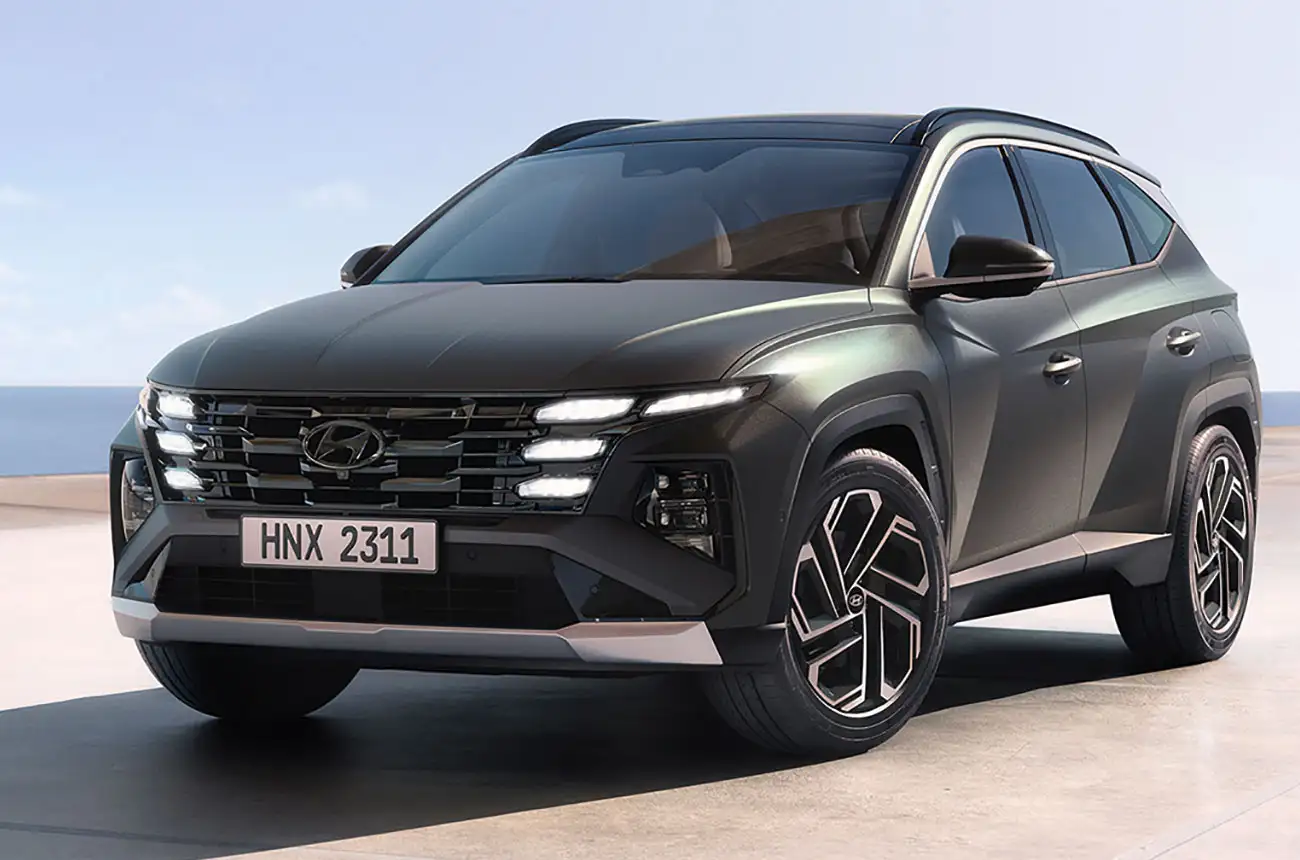
With bold styling and a tech-packed interior, the Tucson Hybrid is a solid midsize SUV choice. It offers good fuel savings for its size and includes heated seats, a large touchscreen, and plenty of cargo space.
5. Ford Maverick Hybrid (2025)
- Fuel Economy: 5.9 L/100km combined
- Price Range: $33,000 – $37,000
- AWD: Optional (gas-only model)
Need a truck that sips fuel? The Maverick Hybrid is Canada’s most fuel-efficient pickup. While FWD is standard, it’s a unique choice for urban tradespeople, delivery drivers, or anyone who needs a bed without guzzling gas.
6. Kia Niro Hybrid (2025)
- Fuel Economy: 4.8 L/100km combined
- Price Range: $32,000 – $40,000
- AWD: Not available
The Niro Hybrid stands out with a futuristic design and generous interior space. While it lacks AWD, it’s a great value for suburban drivers who prioritize economy and versatility.
7. Lexus NX 350h (2025)
- Fuel Economy: 6.0 L/100km combined
- Price Range: $52,000 – $60,000
- AWD: Standard
For luxury hybrid seekers, the NX 350h blends premium features with excellent efficiency. It’s loaded with tech, a quiet ride, and Lexus reliability—ideal for long-distance commuters or professionals.
Provincial Rebates for Hybrid Buyers (2025)
While most federal incentives apply to full EVs or PHEVs, some provinces may still offer rebates or insurance savings for standard hybrids:
- BC: Rebates for low-emission vehicles (check CleanBC updates)
- Quebec: PHEVs still eligible; some hybrids may qualify under green programs
- Ontario: No current rebate, but insurance discounts may apply
How to Choose the Best Hybrid for You
- For city driving: Toyota Prius, Kia Niro, or Corolla Hybrid
- For winter and family use: CR-V Hybrid, Tucson Hybrid, or RAV4 Hybrid (not listed but still top-tier)
- For light hauling or trades: Ford Maverick Hybrid
- For comfort + status: Lexus NX 350h
FAQs About Hybrid Cars in Canada
Q1: Do hybrid cars work well in cold Canadian winters?
A: Yes! Modern hybrids are engineered for all-season performance. Choose models with AWD and winter tire compatibility.
Q2: Are hybrids more expensive to maintain?
A: Not significantly. In fact, hybrids often have fewer wear-and-tear parts than gas-only vehicles. Battery warranties are long—typically 8 to 10 years.
Q3: Do I need to plug in a hybrid?
A: No. Standard hybrids charge through regenerative braking and engine use. Plug-in hybrids (PHEVs) require external charging.
Q4: Will I get rebates for buying a hybrid?
A: Standard hybrids don’t usually qualify for federal rebates in 2025, but provincial offers and insurance incentives may apply.
Q5: Are hybrids better than EVs for long-distance driving?
A: Yes—for now. You don’t have to worry about charging infrastructure, making hybrids great for rural or cross-country drivers.
Helpful Resources
- Transport Canada – Green Vehicle Programs
- AutoTrader Canada – Compare Hybrids
- FuelEconomy.gov – Official Ratings
- CAA – EV & Hybrid Ownership Resources
Explore more fuel-saving and green car content in our Hybrid Car Reviews & Guides section.
Complete Car Loan Guide for Canada & USA
Looking for the best auto loan rates? This guide covers car financing options in both Canada and the USA. Learn how to get low interest car loans, compare lenders, and apply online with ease.
Country-Specific Car Loan Guides
- Car Loan Guide – Canada (covers bank car loan offers and credit union car loans)
- Car Loan Guide – USA (includes auto loan refinancing and pre-approved auto loan tips)
Why Trust This Car Loan Guide?
We reference trusted resources like Ratehub’s Canadian car loan rankings and NerdWallet’s U.S. auto loan analysis. These comparisons provide real-time information on compare car loan rates and vehicle financing for bad credit.
How to Use This Guide
Step 1: Choose Your Country
Select Canada or USA for tailored details on online car loan application steps.
Step 2: Learn Eligibility
Check credit score requirements, down payment expectations, and loan terms for low interest car loans.
Step 3: Compare & Apply
Review lender offers, auto loan refinancing options, and repayment periods before applying.
Pro Tips for Smart Car Financing
- Check your credit score—higher scores unlock low interest car loans.
- Get a pre-approved auto loan—gives you more bargaining power.
- Compare car loan rates—across banks, credit unions, and online lenders.
- Watch out for markups—dealer financing may cost more than bank car loan offers.
Disclaimer: Loan terms and rates vary by lender, credit score, and location. Always confirm details directly with the financial institution before applying.

1 thought on “Best Hybrid Cars in Canada for 2025”