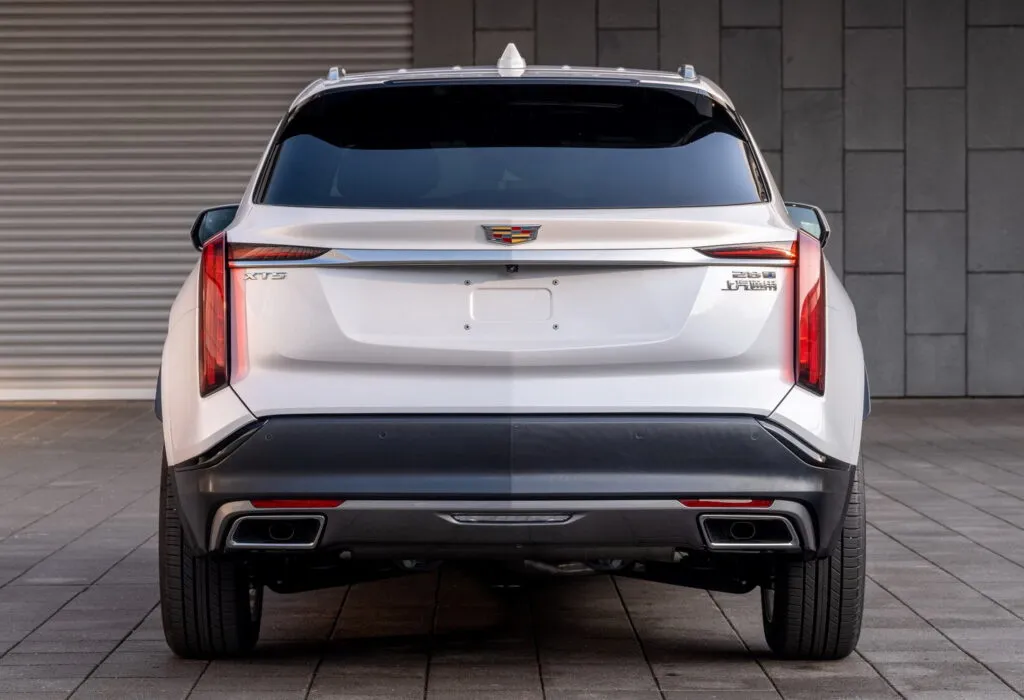
Understanding Car Depreciation in the Canadian Market (2025)
Understanding car depreciation in the Canadian market is crucial if you’re planning to buy, lease, or sell a vehicle in 2025. Depreciation is the loss of value over time—and it can significantly impact your finances if you’re not prepared. In this post, we break down what causes depreciation, which cars hold value best, and how to minimize its impact in Canada’s unique auto landscape.
What Is Car Depreciation?
Car depreciation is the decline in a vehicle’s value over time. The moment you drive a new car off the lot, its value drops—often by as much as 10–20% in the first year. By the time a car reaches five years old, it can lose up to 50–60% of its original value depending on make, model, and condition.
Average Depreciation Rates in Canada (2025)
- Year 1: 15–20% loss
- Year 2–3: Additional 10–15% per year
- Year 5: Vehicle typically worth 40–50% of original price
Example: A $40,000 SUV bought new in 2020 may be worth only $18,000–$22,000 by 2025, depending on its brand and mileage.
Why Do Cars Depreciate So Quickly in Canada?
1. Harsh Weather Conditions
Snow, ice, salt, and moisture all contribute to rust and faster wear and tear, especially in provinces like Ontario, Quebec, and Alberta.
2. High Mileage
Canadians drive an average of 15,000–20,000 km/year. More mileage = more depreciation, especially in rural and commuting-heavy regions.
3. Fast-Changing Technology
As automakers release new tech—like driver assist features, larger infotainment screens, and hybrid/EV upgrades—older models lose appeal.
4. Market Trends
Consumer preferences shift. A sedan purchased in 2020 might be less in demand in 2025 compared to SUVs, crossovers, or EVs.
Vehicles That Hold Value Best in Canada
Some cars depreciate slower than others due to brand reputation, reliability, and demand. Here are 2025’s best value-retaining vehicles in Canada:
- Toyota Tacoma: Keeps up to 75% of value after 5 years
- Subaru Crosstrek: Excellent resale in snowy provinces
- Toyota RAV4 Hybrid: High demand in both urban and rural areas
- Honda Civic: Perennially strong resale due to reliability
- Jeep Wrangler: Popular among off-road enthusiasts
Cars That Depreciate the Fastest
Luxury and niche vehicles often lose value more quickly due to high repair costs, limited appeal, and rapid tech evolution.
- Luxury Sedans (e.g., BMW 7 Series, Audi A8)
- Electric Vehicles (non-Tesla) – EV tech evolves quickly and battery life concerns affect resale
- Large Vans or Trucks – If fuel inefficient or high-maintenance
Leasing vs Buying: How Depreciation Plays a Role
Depreciation is built into leasing terms, which is why leases often have lower monthly payments—you’re only paying for the value the car loses during your term.
With buying (especially financing), you’re on the hook for full depreciation—but you also build ownership equity and can recover value through resale or trade-in.
How to Minimize Depreciation Loss
✅ Buy Used (2–3 Years Old)
Most depreciation hits occur in the first 2–3 years. Buying gently used lets you avoid the steepest drop while still getting a modern vehicle.
✅ Choose Brands with Strong Resale Value
Stick with Honda, Toyota, Subaru, and select Mazda and Ford models that consistently score well in Canadian resale value reports.
✅ Maintain the Vehicle Well
Keep up with oil changes, brakes, tire rotations, and cosmetic care. A well-maintained car fetches a higher price at trade-in or sale.
✅ Limit Excessive Mileage
Staying below average (under 20,000 km/year) helps retain value, especially if you plan to sell within 5 years.
✅ Avoid Unpopular Colors or Customizations
Stick to neutral colours (black, white, silver) and avoid extreme aftermarket mods that lower mass-market appeal.
FAQs About Car Depreciation in Canada
Q1: What cars lose the least value in Canada?
A: Toyota Tacoma, RAV4, Subaru Outback, and Honda Civic consistently retain strong resale value across provinces.
Q2: How does winter driving affect resale value?
A: Road salt, rust, and general wear from cold weather can speed up depreciation. Undercarriage washes and rustproofing help.
Q3: Should I lease to avoid depreciation?
A: Leasing can reduce your exposure to resale loss, but you don’t build equity. It’s great if you upgrade often or drive low mileage.
Q4: Does EV depreciation differ in Canada?
A: Yes. EVs depreciate quickly due to evolving battery tech, except for Tesla, which holds value better than most competitors.
Q5: Does condition or mileage matter more?
A: Both matter. A clean, well-serviced car with higher mileage may retain more value than a low-mileage car with poor maintenance.
Helpful Resources
- Canadian Black Book – Vehicle Value Tool
- AutoTrader Canada – Used Car Listings & Depreciation Insights
- CAA – Vehicle Maintenance Tips
- Kelley Blue Book Canada – Trade-In Estimates
Want more expert tips? Explore our Ownership Costs category for buying, selling, and maintaining your vehicle in the Canadian market.
Complete Car Loan Guide for Canada & USA
Looking for the best auto loan rates? This guide covers car financing options in both Canada and the USA. Learn how to get low interest car loans, compare lenders, and apply online with ease.
Country-Specific Car Loan Guides
- Car Loan Guide – Canada (covers bank car loan offers and credit union car loans)
- Car Loan Guide – USA (includes auto loan refinancing and pre-approved auto loan tips)
Why Trust This Car Loan Guide?
We reference trusted resources like Ratehub’s Canadian car loan rankings and NerdWallet’s U.S. auto loan analysis. These comparisons provide real-time information on compare car loan rates and vehicle financing for bad credit.
How to Use This Guide
Step 1: Choose Your Country
Select Canada or USA for tailored details on online car loan application steps.
Step 2: Learn Eligibility
Check credit score requirements, down payment expectations, and loan terms for low interest car loans.
Step 3: Compare & Apply
Review lender offers, auto loan refinancing options, and repayment periods before applying.
Pro Tips for Smart Car Financing
- Check your credit score—higher scores unlock low interest car loans.
- Get a pre-approved auto loan—gives you more bargaining power.
- Compare car loan rates—across banks, credit unions, and online lenders.
- Watch out for markups—dealer financing may cost more than bank car loan offers.
Disclaimer: Loan terms and rates vary by lender, credit score, and location. Always confirm details directly with the financial institution before applying.